
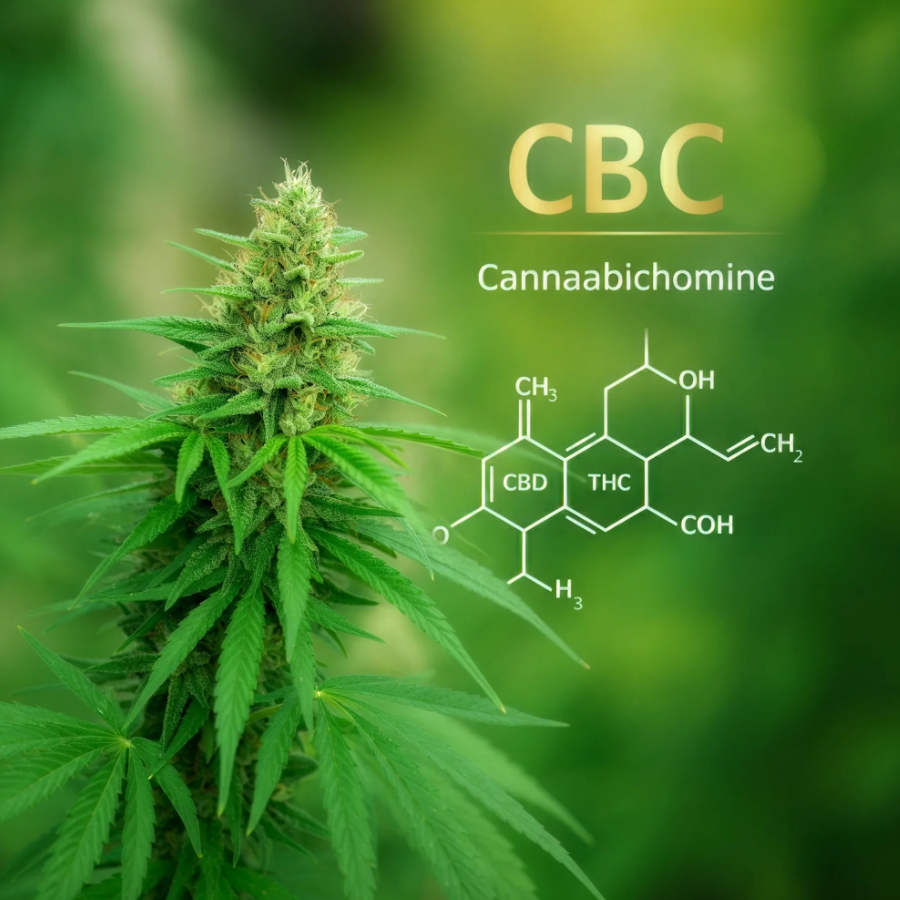
You have probably heard of THC and CBD. These two compounds dominate the conversation when it comes to cannabis and hemp. But the cannabis plant is complex, containing over 100 different cannabinoids, each with unique properties and potential effects.
One of these lesser-known compounds is Cannabichromene, or CBC. While it doesn't get the same media attention as its famous counterparts, CBC is considered one of the "big six" cannabinoids prominent in medical research.
This article explains what CBC is, how it works in the body, and its relationship to other cannabinoids. It also explores current research into its potential therapeutic benefits, helping you understand why this compound is gaining traction in the hemp industry.
Defining CBC (Cannabichromene)
Cannabichromene (CBC) is a phytocannabinoid produced by the cannabis plant. It was discovered over 50 years ago, yet research into its specific properties has often taken a backseat to THC and CBD. Like those compounds, CBC originates from cannabigerolic acid (CBGA), often called the "mother of all cannabinoids."
Through enzymatic processes within the plant, CBGA breaks down into three major cannabinoid acids: tetrahydrocannabinolic acid (THCA), cannabidiolic acid (CBDA), and cannabichromenic acid (CBCA). When exposed to heat or UV light, CBCA decarboxylates to become CBC.
Is CBC psychoactive?
A common question regarding any cannabinoid is whether it produces intoxication. The answer for CBC is no. It is non-psychoactive, meaning it does not produce the "high" associated with THC.
This is significant for consumers seeking potential therapeutic benefits without altered mental states. Because CBC does not bind well to CB1 cannabinoid receptors in the brain—the primary pathway for THC's psychoactive effects—it remains a viable option for daily use where clarity and focus are required.
How CBC interacts with the body
To understand CBC, you must understand the Endocannabinoid System (ECS). The ECS is a vast network of chemical signals and cellular receptors packed throughout our brains and bodies. Its primary role is maintaining homeostasis—keeping our biological systems balanced.
While THC and CBD interact directly with the primary receptors of the ECS (CB1 and CB2), CBC works differently. Research indicates that CBC does not bind effectively to these receptors. Instead, it interacts with other receptors in the body, specifically the vanilloid receptor 1 (TRPV1) and the transient receptor potential ankyrin 1 (TRPA1).
These receptors are linked to pain perception. When CBC activates these receptors, it may help increase the body's natural levels of endocannabinoids like anandamide. Anandamide is a molecule the body produces naturally, often referred to as the "bliss molecule" because of its role in regulating mood, pain, and appetite.
By inhibiting the uptake of anandamide, CBC allows this molecule to remain in the bloodstream longer. This indirect interaction suggests that CBC works synergistically with the body's natural systems rather than overriding them.
The "Entourage Effect"
One of the most compelling reasons to explore CBC is its role in the "entourage effect." This theory posits that cannabinoids and terpenes work better together than in isolation.
When consumed alongside THC, CBD, or CBG, CBC may enhance the overall efficacy of the product. For example, while CBC has its own potential benefits, combining it with THC might amplify the anti-inflammatory or analgesic effects without necessarily increasing psychoactivity.
Many full-spectrum and broad-spectrum hemp products include CBC for this exact reason. While it might be a minor ingredient by volume, its contribution to the holistic effect of the plant profile is significant.
Potential benefits of CBC
Current scientific research into CBC is in the early stages, much like the rest of the cannabis field. Most studies have been conducted on animals rather than humans. However, these initial findings point to several promising areas of therapeutic potential.
Pain and inflammation management
Inflammation is a common underlying factor in many chronic conditions. Research published in 2010 demonstrated that CBC has anti-inflammatory properties. The study found that CBC effectively blocked pain and inflammation associated with collagen-induced osteoarthritis.
Furthermore, because CBC interacts with TRP channels involved in pain sensation, it may offer distinct analgesic benefits different from those provided by opioids or NSAIDs.
Neuroprotection
Brain health is another key area of CBC research. A 2013 study on mice showed that CBC had a positive effect on neural stem progenitor cells (NSPCs). These cells are essential for brain function as they differentiate into other cells that maintain brain health and homeostasis.
The study suggested that CBC might increase the viability of these cells, indicating potential neuroprotective properties. This has led researchers to hypothesize about CBC's future role in treating neurodegenerative conditions, though much more research is needed.
Acne and skin health
Like CBD, CBC has shown potential for treating acne. Acne involves the excessive production of sebum (oil) and inflammation of the sebaceous glands. A 2016 study found that CBC acts as a potent inhibitor of acne. It reduced the production of sebum and exhibited anti-inflammatory effects on the sebaceous glands.
This suggests that CBC could become a valuable ingredient in future topical skincare products aimed at managing acne and other skin conditions.
Mood regulation
Because CBC inhibits the uptake of anandamide, keeping "the bliss molecule" available to the body for longer periods, there is theoretical potential for mood regulation. While CBD is often the go-to recommendation for anxiety and stress, the specific mechanism of CBC suggests it could play a complementary role in supporting mental well-being.
Where to find CBC
Because CBC is usually found in low quantities in the cannabis plant, finding isolated CBC products can be rare compared to CBD isolates. However, the market is shifting.
You will typically find CBC in:
- Full-spectrum CBD oils: These products contain the full range of cannabinoids found in the hemp plant, including trace amounts of CBC.
- Specialized tinctures: Some manufacturers, like NOVA Hemp, formulate tinctures that blend specific cannabinoids. For example, our Vybez Delta 8 Tincture includes a blend of THCV, Delta-8 THC, CBC, and CBG.
- Gummies and edibles: Products like our Active gummies are formulated with specific cannabinoid profiles to target desired effects, often utilizing CBC for its synergistic properties.
- Vape cartridges: Live resin products often retain a higher percentage of minor cannabinoids, including CBC, providing a more robust terpene and cannabinoid profile.
Is CBC legal?
The legal status of CBC generally aligns with that of CBD. Under the 2018 Farm Bill, hemp-derived cannabinoids are federally legal in the United States, provided they contain less than 0.3% Delta-9 THC.
Since CBC is non-psychoactive and derived from hemp, it is widely available for purchase online and in stores. However, state laws regarding hemp products vary and change frequently. Always check your local regulations before purchasing or traveling with hemp products.
How to choose high-quality CBC products
As with any supplement, quality matters. The hemp market is largely unregulated, so it is the consumer's responsibility to verify product safety.
- Check for Third-Party Lab Testing: Reputable companies provide Certificates of Analysis (COA). These documents verify the cannabinoid content and ensure the product is free from pesticides, heavy metals, and solvents. You can view the COA for NOVA Hemp products directly on our product pages.
- Look for Full-Spectrum or Broad-Spectrum: To get the benefits of the entourage effect, look for products that utilize the whole plant profile rather than just isolates, unless you have a specific reason to avoid other cannabinoids.
- Read the Label: Ensure you understand the concentration of CBC in the product. "Hemp extract" is not specific enough if you are looking for the benefits of CBC specifically.
Next steps with NOVA Hemp
While less famous than THC or CBD, Cannabichromene (CBC) plays a vital role in the therapeutic potential of the cannabis plant. Its non-psychoactive nature, combined with promising research on inflammation, neuroprotection, and acne, makes it a compound worth watching.
Whether used on its own or as part of a full-spectrum regimen to encourage the entourage effect, CBC offers a unique pathway to exploring hemp-based wellness.
If you are interested in trying CBC, explore our specialized collections. From the Revive Tincture to Active Gummies, NOVA Hemp offers rigorously tested products designed to fit your lifestyle.
[Shop our CBC Collection today]

Share:
What is CBDa (Cannabidiolic Acid)?
What Is CBG in Gummies?