
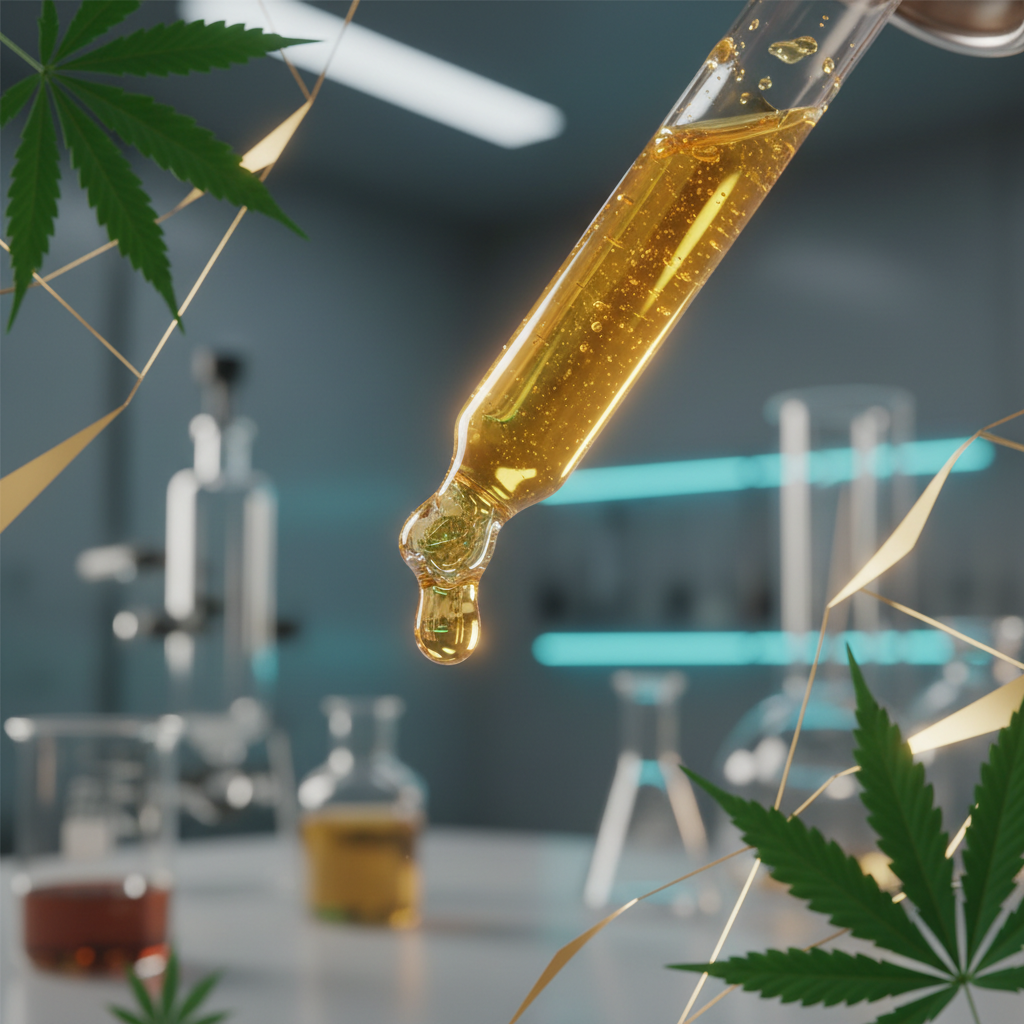
Cannabis concentrates are potent extracts derived from the cannabis plant. As the name suggests, they concentrate the plant's chemical profile. This process isolates the most desirable compounds—cannabinoids (like THC and CBD) and terpenes (flavor and aroma)—while removing excess plant material and impurities.
The result is a product with significantly higher potency than standard cannabis flower. While traditional marijuana buds typically contain between 15% to 25% THC, concentrates can range anywhere from 50% to over 90% THC. Because of this high potency, they are often used by patients requiring rapid relief or consumers with a high tolerance.
How Concentrates Are Made
The production of concentrates generally falls into two categories: solvent-based and solventless extraction.
Solvent-Based Extraction
This method uses chemicals such as butane, propane, ethanol, or carbon dioxide (CO2) to strip cannabinoids and terpenes from the plant matter. Once the compounds are extracted, the solvent is purged from the final product to ensure safety. This method is common for products like shatter, wax, and vape oil.
Solventless Extraction
Solventless methods use physical means—typically heat, pressure, or agitation—to separate the trichomes (resin glands) from the plant. Because no chemicals are introduced during the process, many consumers perceive these as a more natural option. Common examples include rosin, kief, and traditional hash.
Common Types of Cannabis Concentrates
Concentrates come in various textures and consistencies. The names of these products usually describe their physical appearance rather than their chemical makeup.
Shatter
Shatter is a hard, translucent concentrate that resembles amber glass. It is brittle and snaps easily when handled. It is typically made using butane hash oil (BHO) extraction.
Wax and Budder
These concentrates have a softer, opaque consistency. Wax is crumbly and dry, while budder is creamier and has a texture similar to butter or thick oil. Both are easier to handle than shatter because they are less likely to snap or fly off a dab tool.
Rosin
Rosin is a solventless concentrate made by applying heat and pressure to cannabis flower or hash. This process squeezes out the resinous sap. It retains a high level of terpenes, often resulting in a robust flavor profile.
Distillate
Distillate is a refined oil that has been processed to isolate specific cannabinoids, usually THC or CBD. It is often odorless and flavorless unless terpenes are reintroduced later. This is the primary ingredient found in most vape cartridges.
Kief and Hash
These are the oldest forms of concentrates. Kief is the accumulation of trichomes sifted from dried cannabis flower. Hash (hashish) is simply kief that has been compressed and heated into a solid block or ball.
How to Consume Concentrates
There are several methods for consuming cannabis concentrates, ranging from simple additions to flower to specialized equipment.
Dabbing
"Dabbing" is the most common method for consuming solid concentrates like shatter, wax, or rosin. It involves using a "dab rig," which is a water pipe equipped with a nail or banger made of quartz, titanium, or ceramic. The nail is heated, and a small amount of concentrate is applied to the hot surface, vaporizing it instantly for inhalation.
Vaping
Vaping is popular for liquid concentrates like distillate. This method uses a portable battery and a cartridge. It is discreet, portable, and does not require a torch or open flame.
Topping Flower
For those who do not wish to use specialized equipment, concentrates can be added to traditional smoking methods. Kief, hash, or small amounts of wax can be sprinkled on top of a bowl or added to a joint to increase potency.
Important Safety Considerations
Due to the high THC content, the effects of concentrates are much more intense than smoking flower. New users should exercise caution.
Start Low and Go Slow: A very small amount—often the size of a pinhead—is sufficient for most inexperienced users.
Heat Management: When dabbing, high temperatures can degrade terpenes and create harsh vapor. Lower temperatures generally provide a smoother experience.
Legal Status: Laws regarding concentrates vary by state and region. Always verify local regulations before purchasing or possessing these products.
Choosing the Right Product
Selecting a cannabis concentrate depends on personal preference regarding potency, flavor, and consumption method.
If you prioritize convenience and discretion, a distillate vape cartridge is likely the best option. If you prefer a full-spectrum experience that preserves the natural flavor of the plant, solventless rosin or live resin may be preferable. Regardless of the choice, purchasing from a licensed dispensary ensures the product has been tested for safety and potency.
Share:
Understanding the Difference between Live Resin vs Rosin
Troubleshooting and Maintaining Your Delta 8 Pen for Optimal Use