
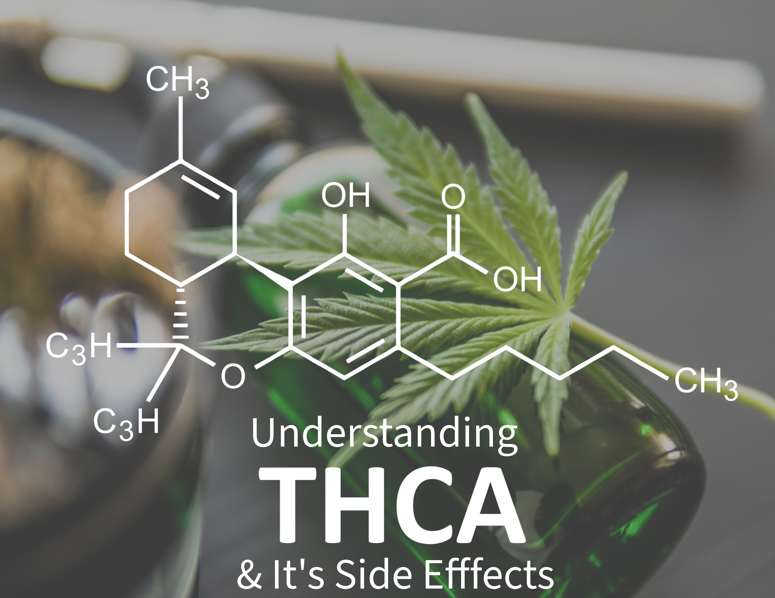
THCa (tetrahydrocannabinolic acid) is the raw, non-psychoactive precursor to THC found in fresh cannabis plants. When heated—through smoking, vaping, or cooking—THCa converts to THC via a process called decarboxylation. Understanding how this conversion affects your experience is key to using THCa safely and responsibly.
Does THCa Cause Side Effects?
In its raw form, THCa does not produce psychoactive effects. However, once decarboxylated, it behaves like THC—and the side effects follow suit. The extent of these effects depends on factors like dosage, method of consumption, and individual tolerance.
Common side effects include:
- Dry mouth — reduced saliva production is one of the most frequently reported effects
- Red eyes — caused by blood vessel dilation
- Increased heart rate — particularly noticeable in new or infrequent users
- Impaired short-term memory — affects recall and concentration during active use
- Anxiety or paranoia — more likely at higher doses or in sensitive individuals
- Dizziness or lightheadedness — especially common when standing up quickly
These effects are typically temporary and subside as THC clears your system.
Who Is More Likely to Experience Side Effects?
Not everyone responds to THCa the same way. Certain groups face a higher likelihood of experiencing adverse effects:
- First-time users with no established tolerance
- Those sensitive to THC, which can run in families or vary by individual biology
- People using high doses relative to their body weight or experience level
- Individuals with anxiety disorders, as THC can amplify existing symptoms
If you fall into any of these categories, starting with a low dose is the most effective risk-reduction strategy.
How to Mitigate THCa Side Effects
Most side effects from THCa are manageable with a few straightforward adjustments.
Start Low and Go Slow
The most reliable way to avoid overconsumption is to start with the smallest effective dose. Wait to assess how your body responds before increasing the amount. This approach is especially important when trying a new product or batch, as potency can vary.
Stay Hydrated
Dry mouth is almost universal with THC use. Drinking water before, during, and after consumption reduces discomfort and keeps you alert to how your body is feeling.
Choose the Right Environment
Anxiety and paranoia are often triggered or worsened by unfamiliar or uncomfortable settings. Consume in a calm, familiar environment—ideally with people you trust—to reduce the risk of a negative psychological response.
Avoid Mixing with Alcohol
Combining THC with alcohol can intensify side effects, including dizziness, nausea, and impaired judgment. If you're new to THCa products, avoid alcohol entirely until you understand how the compound affects you on its own.
Use CBD as a Buffer
Some research suggests that CBD may help reduce THC-induced anxiety. If you're prone to anxious responses, consider a product that includes a balanced ratio of CBD to THCa, or take a separate CBD supplement.
When to Seek Medical Advice
Most side effects resolve on their own within a few hours. However, there are situations that warrant medical attention:
- Chest pain or a significantly elevated heart rate that doesn't subside
- Severe disorientation or loss of coordination
- Persistent vomiting (a condition known as cannabinoid hyperemesis syndrome in heavy, long-term users)
- Psychological distress that does not improve after the effects wear off
If you are on prescription medication, consult your doctor before using any THCa product. THC can interact with certain medications, including blood thinners and sedatives.
Know Before You Consume
THCa products are not inherently dangerous for healthy adults when used responsibly. The side effects are well-documented, predictable, and—in most cases—preventable with a sensible approach to dosing and consumption.
NOVA Hemp is committed to providing accurate, evidence-based information so you can make informed decisions. If you have questions about a specific product or appropriate dosing, our team is available to help.

Share:
Unlocking the Purity: Exploring THCa Distillate and Its Versatility
Building Your Brand: The Benefits of Sourcing Premium Wholesale CBD Flower