
THC-infused beverages are a rapidly expanding category within the cannabis market. Consumers evaluating these products consistently ask whether liquid formulations produce the same psychoactive effects as smoking or eating cannabis. The direct answer is yes. THC drinks contain tetrahydrocannabinol, the primary psychoactive compound in the cannabis plant, which induces a high upon consumption.
However, the physiological experience of drinking THC differs significantly from other consumption methods. Because the active cannabinoids are suspended in a liquid format using specific chemical processes, the human body metabolizes them differently than traditional solid edibles. This difference fundamentally alters both the onset time and the duration of the psychoactive effects.
Understanding the specific biological mechanisms behind THC beverages allows consumers to make precise decisions regarding dosage and product selection. This article outlines the scientific effects of liquid THC, the emulsion technology used in manufacturing, and how these drinks directly contrast with standard edibles.
The Science of THC Beverages
Nano-Emulsion Technology Explained
Traditional cannabis extracts are hydrophobic and oil-based, meaning they repel water and will not naturally mix into a standard beverage. To create a homogenous drink, manufacturers apply a chemical process known as nano-emulsion. This technique breaks down the cannabis oil into microscopic particles and coats them with a targeted surfactant. The resulting water-soluble THC mixes evenly into liquids, preventing the active botanical compounds from separating or floating to the surface of the can.
This emulsion technology directly dictates how the human digestive system absorbs the compound. Because the particles are exceptionally small, they bypass the digestive tract's standard breakdown requirements. The mucosal tissues in the mouth, stomach, and small intestine absorb these water-soluble particles rapidly, depositing THC directly into the bloodstream.
Onset Time and Duration of Effects
The rapid absorption rate of nano-emulsified THC compresses the typical timeline of a cannabis high. Consumers routinely register the initial effects of a THC beverage within 10 to 15 minutes of consumption. Peak psychoactive effects usually occur around the 45-minute mark.
The duration of the high is also truncated when compared to standard edibles. The effects of a THC drink typically subside within two to four hours. This accelerated timeline closely mirrors the metabolic patterns associated with processing alcohol. It allows users to consume a beverage in a social environment and process the active compounds entirely before the end of a standard event.
THC Drinks vs. Traditional Edibles
Different Absorption Pathways
Standard edibles, such as gummies, chocolates, or baked goods, must navigate the entire human digestive system. The stomach must physically break down the solid food matrix before the liver processes the embedded THC. During this metabolic stage, the liver converts Delta-9 THC into 11-hydroxy-THC. This specific metabolite is more potent and effectively crosses the blood-brain barrier, resulting in a heavier, longer-lasting, and highly sedating physical high.
THC beverages bypass this intensive liver metabolization. Because the nano-emulsified THC enters the bloodstream directly through the stomach lining, the body processes standard Delta-9 THC. The resulting high registers as lighter, highly cerebral, and less physically overwhelming than the effects generated by traditional solid cannabis foods.
Predictability and Control
Solid edibles lack predictable onset times. A consumer might wait up to two hours for a solid edible to take effect, a delay that routinely leads to premature redosing. If an individual ingests a second dose before the first dose metabolizes, they risk an uncomfortably intense psychoactive experience.
Beverages solve this problem by offering exact control over dosing intervals. The 15-minute onset time allows consumers to gauge their internal tolerance rapidly. If a user finishes a beverage and requires a stronger effect, they can consume a second drink with a precise understanding of exactly when the next dose will activate.
Understanding Potency and Dosage Guidelines
Selecting the appropriate dosage requires a clinical understanding of individual tolerance levels. THC beverages print exact milligram contents on their packaging, providing a reliable and regulated metric for consumption.
Low Doses (1-2mg)
Beverages containing one to two milligrams of THC are formulated for beginners or individuals seeking baseline relaxation. At this concentration, psychoactive effects remain minimal. Users document a slight reduction in physical muscle tension and mild mood elevation. This dose sustains clear-headed cognitive function and permits standard social interaction.
Moderate Doses (3-5mg)
A three to five-milligram dose delivers a defined, moderate high. Consumers will register distinct psychoactive effects, including altered sensory perception, elevated sociability, and pronounced physical relaxation. This range serves casual users requiring a substantial cannabis experience without the loss of functional motor skills.
High Doses (10mg and above)
Beverages containing ten or more milligrams of THC are strictly formulated for experienced users with documented cannabis tolerances. High-potency drinks cause intense psychoactive effects, heavy physical sedation, and altered cognitive processing. Inexperienced users must avoid this dosage level to prevent severe adverse physiological reactions, including acute anxiety or nausea.
A Controlled Approach with NOVA Hemp Beverages
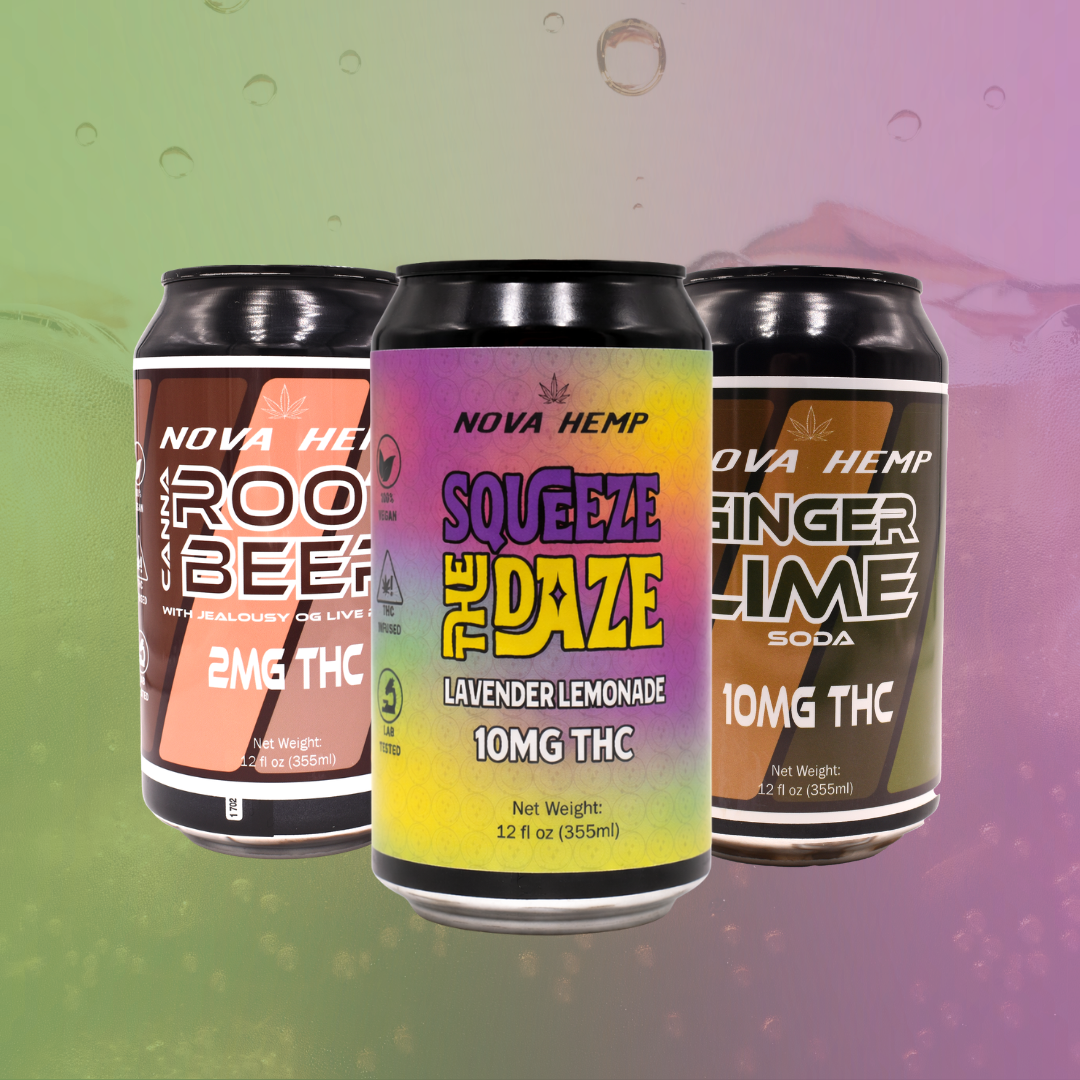
For consumers requiring reliable dosing and consistent physical effects, NOVA Hemp provides a verified line of THC-infused beverages. These products isolate premium hemp-derived THC and blend it with natural ingredients to yield a clean, predictable metabolic experience.
Products like the Root Beer or the Kaapi THC Infused Coffee are engineered with precise, moderate doses containing exactly 2mg of THC per can. This specific formulation guarantees that users can consume a beverage socially without encountering the risks of overconsumption. The integration of high-grade nano-emulsion ensures that the liquid is perfectly homogenized, providing a stable effect from the first intake to the final drop.
Frequently Asked Questions (FAQ)
How long do THC drinks stay in your system?
While the acute psychoactive effects clear the brain within a few hours, THC metabolites deposit into the body's lipid cells. Depending on the exact frequency of consumption and the individual's base metabolic rate, standard chemical drug tests can detect these compounds for several days to several weeks after the initial intake.
Can you mix THC drinks with alcohol?
Combining THC beverages with alcohol is strongly discouraged. Alcohol acts as a solvent and actively increases the human body's absorption rate of THC. This chemical interaction amplifies the psychoactive effects to volatile and unpredictable levels. Mixing the two substances frequently induces severe nausea, vertigo, and debilitating physical sedation.
Selecting the Right THC Beverage for Your Needs
THC drinks operate as a highly effective, predictable, and rapidly acting vehicle for cannabis consumption. By leveraging water-soluble nano-emulsion, these beverages deliver a metabolic experience fundamentally distinct from traditional solid edibles. Consumers gain the advantages of rapid onset times, compressed durations, and a highly manageable cerebral high.
When selecting a product, inspect the total milligram dosage and choose a potency corresponding directly to your documented tolerance. Initiate consumption with a low dose and evaluate your physiological response before ingesting more. Review the precisely dosed inventory within the NOVA Hemp beverage collection to secure a controlled and premium option for your consumption needs.
Share:
What Are THC Drinks? A Complete Guide to Cannabis-Infused Beverages
Do THC Drinks Show on a Drug Test? What Consumers Need to Know