
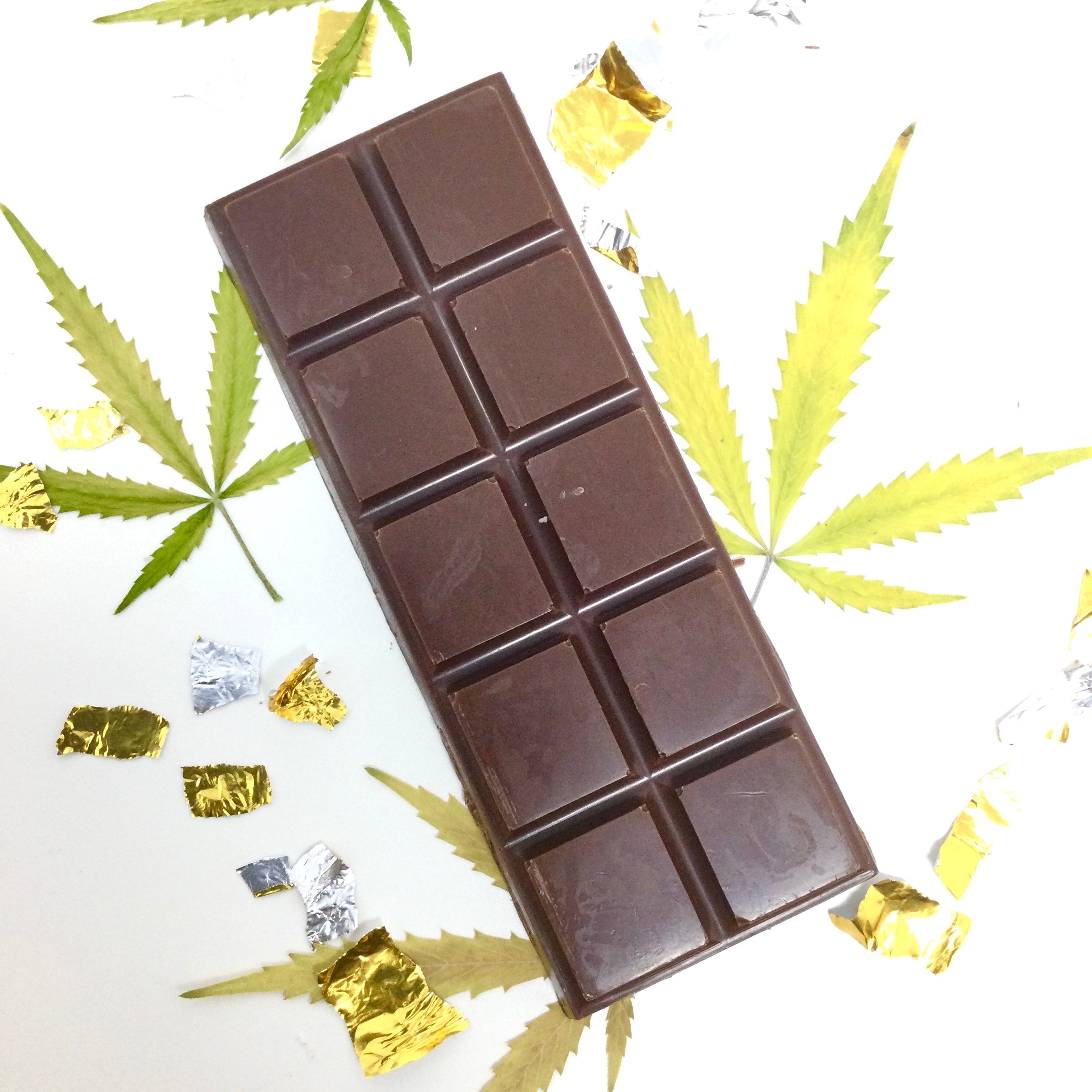
Chocolate remains one of the most popular forms of cannabis edibles available today. Combining the rich taste of cocoa with the effects of THC, these bars offer a consistent and enjoyable way to consume cannabis. Whether you are new to edibles or a regular consumer, chocolate bars provide distinct advantages over other consumption methods.
This guide explains why THC chocolate bars are a preferred choice, focusing on dosing, flavor, and effects.
Precise Dosing Control
One of the primary benefits of THC chocolate bars is the ability to manage dosage accurately. Unlike homemade edibles, which can have uneven distribution of THC, commercial chocolate bars are manufactured to ensure consistency.
Most chocolate bars are scored into individual squares or pieces, each containing a specific amount of THC, typically ranging from 5mg to 10mg per piece. This design allows consumers to know exactly how much THC they are ingesting. For those seeking a mild effect, consuming a single square is simple. Those requiring a higher dose can easily calculate the number of pieces needed.
This precision reduces the risk of overconsumption, a common issue with other edible forms where portion sizes are less defined.
Palatable Flavor Profile
The taste of cannabis can be strong and earthy, a flavor profile that does not appeal to everyone. Chocolate is particularly effective at masking this taste. The richness of the cocoa butter and sugar interacts with the cannabis oil to cover the distinct herbal notes often found in edibles.
Manufacturers often use high-quality chocolate, including milk, dark, and white varieties, to enhance the experience. Some products also incorporate additional ingredients like nuts, sea salt, or caramel. This variety allows consumers to choose a product that aligns with their taste preferences while delivering the desired effects.
Long-Lasting Effects
Edibles, including chocolate bars, are metabolized differently than inhaled cannabis. When THC is ingested, it passes through the digestive system and is processed by the liver. This process converts THC into 11-hydroxy-THC, a compound that crosses the blood-brain barrier more effectively.
This metabolic process results in effects that take longer to onset—typically 30 minutes to two hours—but last significantly longer than smoking or vaping. The effects of a THC chocolate bar can persist for four to eight hours, depending on individual metabolism and the dose consumed. This extended duration makes chocolate bars a suitable option for those seeking prolonged relief or a sustained experience without the need for frequent re-dosing.
Discretion and Convenience
Chocolate bars offer a discreet method of consumption. There is no smoke, vapor, or strong odor associated with eating a piece of chocolate. This makes them easy to use in various settings where smoking might be prohibited or inappropriate.
The packaging of these products is also designed for portability and storage. A chocolate bar can be easily carried in a bag or pocket, and the scored pieces allow for consumption over multiple sessions. Storage is straightforward, though it is important to keep chocolate in a cool place to prevent melting and to store it securely away from children and pets.
Making an Informed Choice
THC chocolate bars offer a reliable, tasty, and long-lasting option for cannabis consumption. The ability to dose precisely makes them safer for beginners, while the potent, sustained effects appeal to experienced users. By masking the natural taste of cannabis and providing a discreet form factor, they address many common concerns associated with other consumption methods.
When selecting a THC chocolate bar, always check the packaging for total THC content and dosing instructions. Start with a low dose, especially if you are inexperienced with edibles, and wait for the full onset of effects before consuming more.


Share:
A Crash Course to Delta 8 Products for Every Lifestyle
Embrace Wellness with High CBD Flower