

Reishi mushroom (Ganoderma lucidum) is an adaptogen traditionally used to support stress reduction and sleep quality. Research suggests its active compounds—triterpenes and beta-glucans—may help calm the nervous system and reduce the time it takes to fall asleep, making it a functional alternative to melatonin for nightly wind-down routines.
Most sleep problems aren't about being tired enough. They're about being too wired to rest. That's where reishi comes in.
Used for over 2,000 years in Traditional Chinese Medicine, reishi mushroom has earned the nickname "the mushroom of immortality"—but its more relevant reputation today is as a calming adaptogen. Modern research is starting to back that up.
What Is Reishi Mushroom and Why Is It Called the Calming Mushroom?
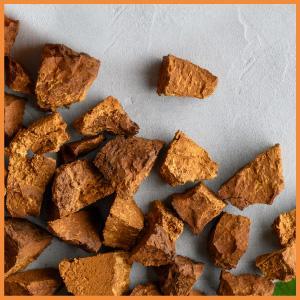
Reishi (Ganoderma lucidum) is a bitter, woody fungus that grows on hardwood trees across Asia. It contains two primary active compounds: triterpenes, which have demonstrated sedative and anxiolytic properties in animal studies, and beta-glucans, which support immune modulation and may reduce physiological stress markers.
The "calming" label comes from reishi's classification as an adaptogen—a compound that helps the body regulate its response to stress. Rather than sedating you directly, reishi works by supporting the systems that are most disrupted when you can't sleep: the hypothalamic-pituitary-adrenal (HPA) axis and the autonomic nervous system.
What Does Reishi Actually Do for Sleep?
Reishi's sleep benefits aren't immediate the way a sedative would be. The effects are more systemic.
According to a 2012 study published in the Journal of Ethnopharmacology, reishi extract increased total sleep time and non-REM sleep in animal models by acting on the central nervous system without the side effects associated with synthetic sleep aids. A separate study found that reishi polysaccharides helped reduce fatigue and improve sleep efficiency in patients with neurasthenia over a 28-day period.
Key documented benefits include:
- Reduced sleep latency — the time it takes to fall asleep
- Longer total sleep duration
- Lower cortisol-related restlessness — by dampening stress hormone activity
- Support for deeper, non-REM sleep stages
These effects compound over time. Reishi isn't a one-night fix. It's a nightly system.
Reishi vs. Melatonin: What's the Difference?
Melatonin signals your brain that it's time to sleep by mimicking the hormone your body already produces at night. Reishi doesn't trigger that signal. Instead, reishi reduces the noise—the stress, cortisol, and nervous system activation—that prevents sleep from happening naturally.
|
|
Reishi |
Melatonin |
|---|---|---|
|
Mechanism |
Adaptogenic, stress-modulating |
Hormonal signal (sleep onset) |
|
Best for |
Stress-driven insomnia |
Circadian rhythm disruption |
|
Onset |
Gradual (days to weeks) |
Fast (30–60 minutes) |
|
Dependency risk |
None documented |
Low, but possible with overuse |
Choose reishi if stress and an overactive mind are keeping you awake. Choose melatonin if jet lag or shift work is disrupting your sleep cycle. For many people, both have a role.
How to Build an Evening Wind-Down Routine with Reishi
Consistency matters more than dosage when it comes to adaptogens. A simple, repeatable routine is more effective than an aggressive one you abandon after a week.
1. Start 60–90 minutes before bed. Reishi works best when introduced before your nervous system is already in full wind-down mode.
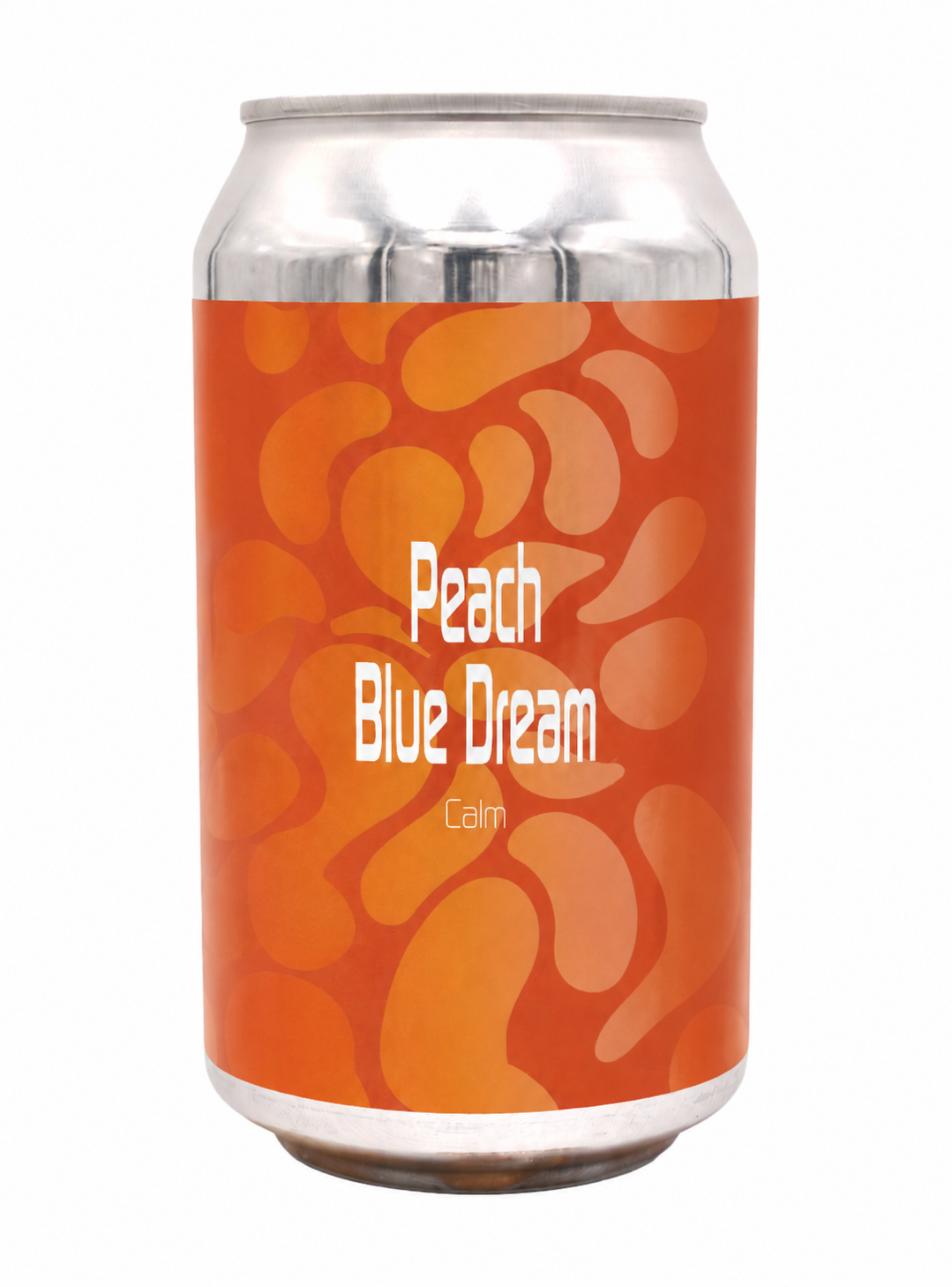
2. Use a functional beverage format. Liquid delivery increases bioavailability compared to capsules. NOVA's Peach Blue Dream combines 650mg of reishi mushroom with 150mg of L-theanine—an amino acid that promotes relaxed alertness and complements reishi's calming action.
3. Dim screens and lights. Reishi supports cortisol regulation, but artificial blue light undermines melatonin production at the same time. Remove the interference.
4. Repeat nightly. The adaptogenic effect builds. Most users report noticeable changes in sleep quality after 2–4 weeks of consistent use.
Frequently Asked Questions
How much reishi do you need for sleep?
Most studies use between 1.5g and 3g of reishi extract daily. NOVA's Peach Blue Dream delivers 650mg per serving, suited for an evening functional drink dose.
Is reishi safe to take every night?
Yes. Reishi has a well-established safety profile in human studies with no documented dependency or withdrawal effects.
How long does reishi take to work for sleep?
Expect gradual improvement over 2–4 weeks of consistent nightly use, not immediate sedation.
Can you combine reishi with melatonin?
Generally, yes—they work through different mechanisms. Consult a healthcare provider if you take prescription sleep medications.

Share:
Planting Seeds for the Future: Nova Hemp Donates $10,000 to Fauquier Education Farm
Lion’s Mane Benefits: What This Nootropic Mushroom Does for Focus and Memory