

Functional beverages use ingredients like adaptogens, nootropics, and functional mushrooms to support energy, focus, and overall health. Traditional energy drinks rely on high caffeine and sugar for a fast boost—followed by a crash. For clean, sustained energy, functional beverages are the better choice.
Most people reach for an energy drink without thinking twice. It works—until it doesn't. The spike hits fast, the crash hits harder, and the cycle repeats. There's a growing category of drinks built around a different premise: give your body what it actually needs to perform.
That's the core idea behind functional beverages. And understanding the difference matters if you care about how you feel past 3 PM.
What Are Functional Beverages?
Functional beverages are drinks formulated with specific bioactive ingredients—adaptogens, nootropics, vitamins, or functional mushrooms—designed to support a targeted health outcome. That might be sustained focus, stress reduction, improved sleep, or clean energy without the crash.
Common functional ingredients include:
- Adaptogens like ashwagandha and rhodiola, which help the body manage stress
- Nootropics like L-theanine, which supports focus and calm alertness
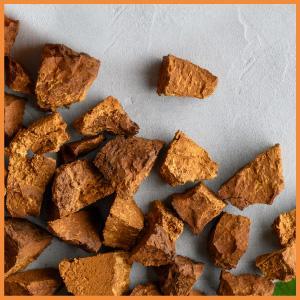
- Functional mushrooms like lion's mane and cordyceps, linked to cognitive function and endurance
- B vitamins, which play a direct role in energy metabolism
These aren't trend ingredients. Many have decades of research behind them.
What's Actually in a Traditional Energy Drink?
The average energy drink delivers 150–300mg of caffeine per can, alongside 25–50g of added sugar, and a blend of synthetic B vitamins. The caffeine triggers a sharp cortisol spike. The sugar amplifies it. Within 90 minutes to two hours, both drop—taking your focus and mood with them.
Repeated over time, this pattern can disrupt sleep, increase anxiety, and contribute to insulin resistance. According to the American Academy of Pediatrics, excessive energy drink consumption has been linked to heart palpitations, hypertension, and sleep disturbances—even in healthy adults.
The problem isn't caffeine itself. It's the delivery mechanism.
How Do Functional Beverages Deliver Energy Differently?
Functional beverages typically use lower doses of natural caffeine—often sourced from green tea or guarana—paired with L-theanine. This combination promotes alertness without the overstimulation associated with high-dose synthetic caffeine.
The result is a smoother, more sustained energy curve. No spike. No crash. Just a steady state of focus that holds through the afternoon.
NOVA's functional beverage line is built on this exact principle. The formulas pair clean caffeine with lion's mane for cognitive support and cordyceps for endurance—ingredients that work with your body's systems rather than forcing a temporary override.
Functional Mushrooms and Nootropics: Why They Matter
Functional mushrooms aren't psychoactive. They're adaptogenic. Lion's mane, for example, has been studied for its potential to stimulate nerve growth factor (NGF) production—a protein essential for brain cell maintenance and regeneration. Cordyceps has shown promise in improving oxygen utilization during physical activity, according to research published in the Journal of Alternative and Complementary Medicine.
Nootropics work alongside these mushrooms to sharpen mental performance. L-theanine, found naturally in green tea, promotes alpha brain wave activity—the same state associated with calm, productive focus.
Explore NOVA's full functional mushroom line and nootropic range to see how these ingredients are formulated for daily use.
Which One Should You Choose?
Choose a traditional energy drink if you need a hard, immediate jolt and don't mind the come-down.
Choose a functional beverage if you want energy that supports your body rather than stresses it—especially if focus, mood, and performance matter past the first hour.
The Bottom Line: Your Energy, Your Choice
Energy drinks solve a short-term problem by creating a longer-term one. Functional beverages take a different approach—slower, smarter, and built around ingredients with real physiological rationale.
If clean energy is the goal, the formula matters.
Frequently Asked Questions
Are functional beverages actually healthier than energy drinks?
Generally, yes. Functional beverages use lower caffeine doses, no added sugar, and bioactive ingredients with documented health benefits. Traditional energy drinks prioritize speed of effect over sustained performance.
Do functional beverages have caffeine?
Most do, but typically less than traditional energy drinks. Functional beverages often combine natural caffeine with L-theanine to smooth the delivery and prevent the jitteriness associated with high-dose caffeine.
What are functional mushrooms, and are they safe?
Functional mushrooms like lion's mane and cordyceps are adaptogenic fungi—not psychoactive. They're widely studied and considered safe for daily use by most healthy adults.
How quickly do functional beverages work?
Effects vary by ingredient. Caffeine and L-theanine typically kick in within 30–60 minutes. Adaptogenic and mushroom-based benefits tend to build with consistent use over days or weeks.

Share:
NOVA Functional Drink Flavors: Cherry Cola, Passion Fruit & More
Best Non-Alcoholic Drinks for a Sober-Curious Summer