
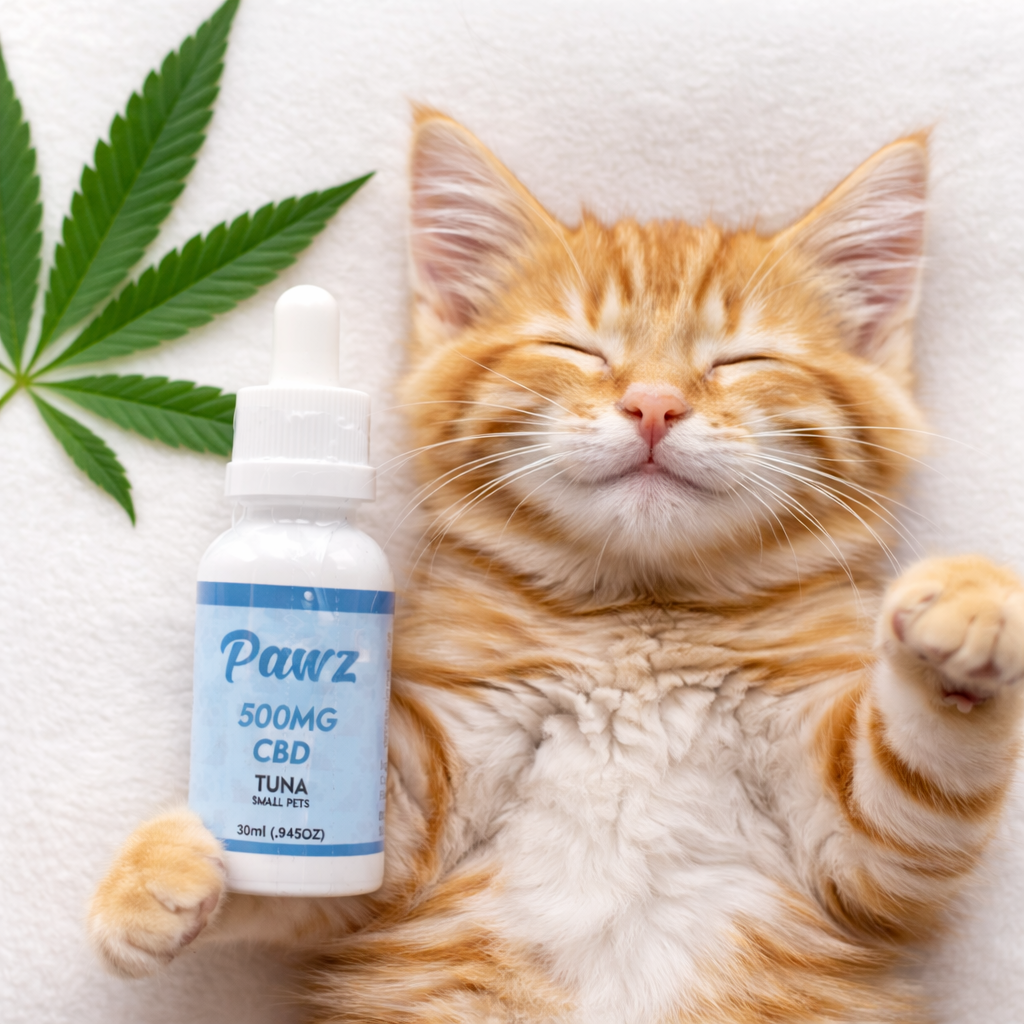
While CBD products for dogs have become a common sight in pet stores, many owners remain unsure about using hemp-derived products for their cats. Felines experience many of the same ailments as their canine counterparts, including anxiety, inflammation, and age-related discomfort.
Understanding how cannabidiol (CBD) interacts with feline physiology can help owners make informed decisions about their pet’s healthcare regimen. This guide outlines the benefits, safety considerations, and proper administration of CBD for cats.
How CBD works in cats
All mammals, including cats, possess an endocannabinoid system (ECS). This network of receptors regulates various bodily functions, such as pain sensation, mood, appetite, and immune response.
When a cat ingests broad-spectrum CBD, the cannabinoids interact with these receptors to help maintain balance (homeostasis) within the body. Unlike THC, the psychoactive compound found in marijuana, broad-spectrum CBD oil is non-intoxicating. It provides therapeutic benefits without causing a "high," making it a safe option for daily use in pets.
Primary health benefits
Based on current usage trends and product formulations, CBD is commonly used to address four main areas of feline health.
Anxiety and stress relief
Cats are sensitive to environmental changes. Loud noises, separation from owners, vet visits, or the introduction of new pets can trigger stress responses. CBD tinctures are frequently used to promote a sense of calmness and relaxation during these high-stress events.
Pain and mobility support
As cats age, they often develop joint pain and inflammation, leading to reduced mobility. Owners may notice their cats hesitating to jump on furniture or sleeping more than usual. The anti-inflammatory properties of CBD can help ease joint discomfort, supporting better movement and quality of life for senior pets.
Seizure management
For cats diagnosed with epilepsy or prone to seizures, standard medication is not always enough. Broad-spectrum CBD formulas may aid in reducing both the frequency and intensity of seizure episodes, acting as a supportive measure alongside veterinary care.
General wellness and appetite
Illness or age can negatively impact a cat's appetite and sleep patterns. CBD can function as a general wellness boost, encouraging a healthy appetite and improved sleep cycles.
Choosing the right product
Not all CBD products are suitable for felines. Cats have specific dietary requirements and sensitivities. When selecting a product, look for formulations that use safe carrier oils, such as olive oil or MCT oil.
Flavor is also a significant factor. While dogs might accept various flavors, cats can be pickier. Products specifically formulated with tuna flavoring, such as the NOVA Hemp Pawz Pet Tincture, often result in easier administration than unflavored alternatives.
Dosage and administration
Proper dosing is critical for safety and effectiveness. Dosage is primarily determined by the weight of the animal.
For broad-spectrum tinctures like the Pawz 500mg formula, the general guidelines are:
- Under 25 lbs: 0.5 ml per dose
- 25+ lbs: 1 ml per dose
Owners should always begin with a conservative dose and observe the cat's reaction. If necessary, the amount can be gradually increased until the desired result is achieved. Consistency is key; administering the tincture once or twice daily helps maintain regular relief levels.
The tincture can be administered directly into the cat’s mouth or mixed into their food or water bowl if they are resistant to direct dosing.
Supporting your cat's health
Natural remedies offer a viable path for managing common feline health issues. Whether dealing with situational anxiety or chronic joint pain, broad-spectrum CBD provides a tool for owners to support their cat's overall well-being.
If you are considering adding supplements to your cat's diet, ensure you select high-quality, broad-spectrum products designed specifically for pets.



Share:
A Beginner's Guide to Dosing CBD Gummies for Optimal Wellness
How CBD Cream Supports Your Active Lifestyle