
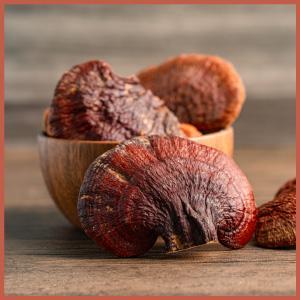
People are stacking everything these days. Pre-workout with creatine. Magnesium with ashwagandha. So it's no surprise that functional mushrooms and THC have ended up in the same conversation—and increasingly, the same routine.
But before you start combining things, it helps to understand what you're actually working with. Functional mushrooms and THC come from completely different categories. One is a class of adaptogenic fungi studied for cognitive and immune support. The other is a cannabinoid that interacts directly with your endocannabinoid system. They're not the same thing, they don't work the same way, and they're not in competition.
This post breaks down the key distinctions, explains how the two may interact, and gives you practical guidance on stacking them responsibly—whether you're already exploring NOVA's functional mushroom line, curious about Buddha Brew or THCa products, or just trying to figure out what makes sense for your routine.
What Are Functional Mushrooms—and Are They Psychedelic?
This is the first question worth answering clearly: no, functional mushrooms are not psychedelic.
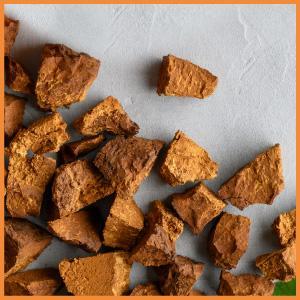
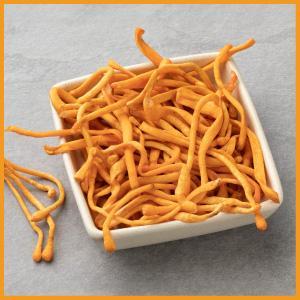
Functional mushrooms include species like lion's mane (Hericium erinaceus), reishi (Ganoderma lucidum), chaga (Inonotus obliquus), cordyceps (Ophiocordyceps sinensis), and turkey tail (Trametes versicolor). These are adaptogenic fungi—meaning they help the body adapt to stress and support physiological balance. They contain bioactive compounds like beta-glucans, triterpenes, and hericenones, which have been studied for immune modulation, neuroprotection, anti-inflammatory effects, and more.
Psilocybin mushrooms—commonly called "magic mushrooms"—are a completely separate category. They contain psilocybin, a psychedelic compound that affects serotonin receptors and produces altered states of consciousness. Functional mushrooms contain none of this.
When you see lion's mane in a NOVA product, you're getting a well-researched adaptogen. Full stop.
What Is THC, and What's the Difference Between THC and THCa?
THC (delta-9-tetrahydrocannabinol) is the primary psychoactive compound in cannabis. It binds to CB1 receptors in the brain and central nervous system, producing the familiar effects associated with cannabis use.
THCa (tetrahydrocannabinolic acid) is the raw, non-decarboxylated precursor to THC. In its natural state, THCa is non-intoxicating. It converts to THC when exposed to heat—a process called decarboxylation. This is why raw cannabis flower or THCa products don't produce a high unless heated.
Both compounds are available through NOVA's hemp-derived catalog, including Buddha Brew and THCa offerings. Understanding which form you're consuming matters when thinking about any kind of stack.
How Might Functional Mushrooms and THC Work Together?
The honest answer: research on this specific combination is still early. Most of what we know comes from preclinical studies, anecdotal reports, and an understanding of how each compound works independently.
That said, here's what the science suggests about each piece:
Lion's mane and neurological support
Lion's mane has been studied for its potential to stimulate nerve growth factor (NGF) synthesis, which plays a role in the growth and maintenance of neurons. A 2009 study published in Phytotherapy Research found that lion's mane supplementation improved mild cognitive impairment in older adults. Some users report that pairing lion's mane with cannabis helps them stay mentally clear during or after THC use.
Reishi and stress regulation
Reishi is one of the most studied adaptogens for stress and immune support. Its triterpenes have shown anxiolytic (anti-anxiety) properties in animal studies. Users who experience THC-induced anxiety sometimes incorporate reishi as part of a broader calming routine—though this should not be treated as a substitute for adjusting your THC dose.
Cordyceps and energy
Cordyceps is frequently used to support energy and endurance, partly through its effects on ATP production and oxygen utilization. Some users stack it during daytime THC use to offset fatigue.
Chaga and inflammation
Chaga is rich in antioxidants and has been studied for immune-modulating and anti-inflammatory effects. While its interaction with cannabinoids hasn't been directly studied, both compounds engage pathways related to inflammation.
It's worth noting: none of these mushrooms will amplify or diminish your high in any medically documented way. The "stack" is more about supporting overall wellness alongside THC use than altering the THC experience itself.
What Does "Stacking" Actually Mean?
In wellness circles, stacking refers to combining multiple supplements to achieve a broader or more targeted effect. It's a common practice in nootropics, fitness supplementation, and increasingly, cannabis-adjacent wellness.
A functional mushroom + THC stack might look like:
- Morning: Lion's mane capsule or tincture for cognitive support
- Evening: THCa or low-dose THC product for relaxation
- Daily: Reishi or chaga for immune and stress support
This isn't a protocol—it's an example of how people are thinking about integration. The goal isn't synergy in a pharmacological sense. It's more about building a consistent wellness routine where each element serves a purpose.
Safety Considerations Before You Stack
Stacking supplements always comes with the same baseline advice: know what you're taking, start low, and pay attention.
A few specific considerations for this combination:
Check for drug interactions. If you take prescription medications—particularly immunosuppressants, anticoagulants, or anything affecting the liver's CYP450 enzyme pathway—some functional mushrooms (especially reishi and turkey tail) may interact. Consult a healthcare provider before adding new supplements.
THC sensitivity varies. First-time or infrequent users should establish their baseline with THC before introducing other variables. Adding functional mushrooms to a new THC routine makes it harder to identify what's causing any given effect.
Source matters. Supplement quality is unregulated. Look for products with third-party lab testing, clear dosage information, and transparent ingredient sourcing. NOVA's functional mushroom products and hemp-derived catalog are built with this in mind.
Don't stack to fix a bad experience. If THC is causing anxiety or discomfort, the answer is usually a lower dose—not more supplements.
How to Start: Dosing and Practical Guidance
There's no universal dosing protocol for this combination. But a sensible approach follows a few principles:
- Introduce one thing at a time. If you're new to functional mushrooms, try them for two to four weeks before combining with THC. This gives you a baseline for how each affects you individually.
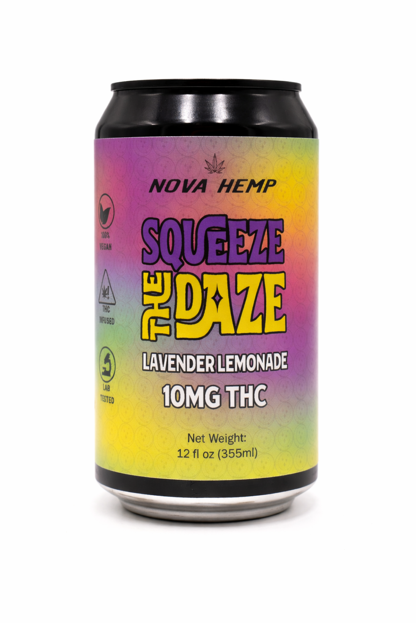
- Start with lower-potency THC formats. Buddha Brew and other hemp-derived options offer a more measured entry point than high-potency cannabis products.
- Be consistent. Adaptogens like reishi and lion's mane tend to build effects over time. Sporadic use won't give you much to evaluate.
- Keep a simple log. Note what you took, when, and how you felt. It doesn't need to be detailed—just enough to spot patterns.
Who Is This Stack Best Suited For?
This combination is most likely to make sense for:
- Experienced cannabis users looking to build a more intentional wellness routine
- People who already use functional mushrooms and are curious about hemp-derived cannabinoids
- Users who want cognitive or immune support alongside their THC use
- Anyone exploring NOVA's product catalog and wondering how the functional and hemp lines might complement each other
It's less suited for people who are new to both categories simultaneously, those with significant health conditions without medical guidance, or anyone expecting dramatic results from the combination alone.
The Bottom Line on Mixing Functional Mushrooms and THC
Functional mushrooms and THC occupy different lanes. One is an adaptogenic supplement with a growing body of research behind it. The other is a cannabinoid with well-documented psychoactive and therapeutic properties. They don't cancel each other out, and they don't produce some compounded high.
What they can do is coexist in a thoughtful wellness routine—each serving its own purpose, each backed by its own reasoning.
If you're already using NOVA's functional mushroom line and curious about the hemp catalog (or vice versa), the question isn't really "can you mix them?" It's "does adding this serve a clear purpose for me?" Start there.
Explore NOVA's functional mushroom products here and browse the Buddha Brew and THCa catalog here.
Frequently Asked Questions
Will functional mushrooms make my THC high stronger?
No. Functional mushrooms like lion's mane, reishi, and chaga are non-psychoactive and do not amplify or intensify THC's psychoactive effects. They work through entirely different biological pathways.
Are functional mushrooms legal?
Yes. Functional mushrooms are legal dietary supplements in the United States. They are not controlled substances and are not related to psilocybin mushrooms, which remain federally scheduled.
Is THCa legal?
Hemp-derived THCa products fall under the 2018 Farm Bill, which legalized hemp and hemp-derived cannabinoids containing less than 0.3% delta-9 THC by dry weight.
Can I take functional mushrooms and CBD instead of THC?
Yes. Many people combine functional mushrooms with CBD rather than THC. CBD is non-intoxicating and may complement adaptogens well, particularly for stress and sleep support.
How long do functional mushrooms take to work?
Most adaptogens, including lion's mane and reishi, are studied in the context of consistent, multi-week use. Noticeable effects typically emerge after two to four weeks of daily supplementation.
What's the difference between a functional mushroom supplement and a mushroom extract?
Extracts concentrate the bioactive compounds from mushrooms (like beta-glucans or triterpenes) into a more potent form. Full-spectrum mushroom supplements may include a broader range of compounds. Extraction method and potency matter—look for products with verified beta-glucan content and third-party testing.
Share:
Lion’s Mane Benefits: What This Nootropic Mushroom Does for Focus and Memory
NOVA Functional Drink Flavors: Cherry Cola, Passion Fruit & More