
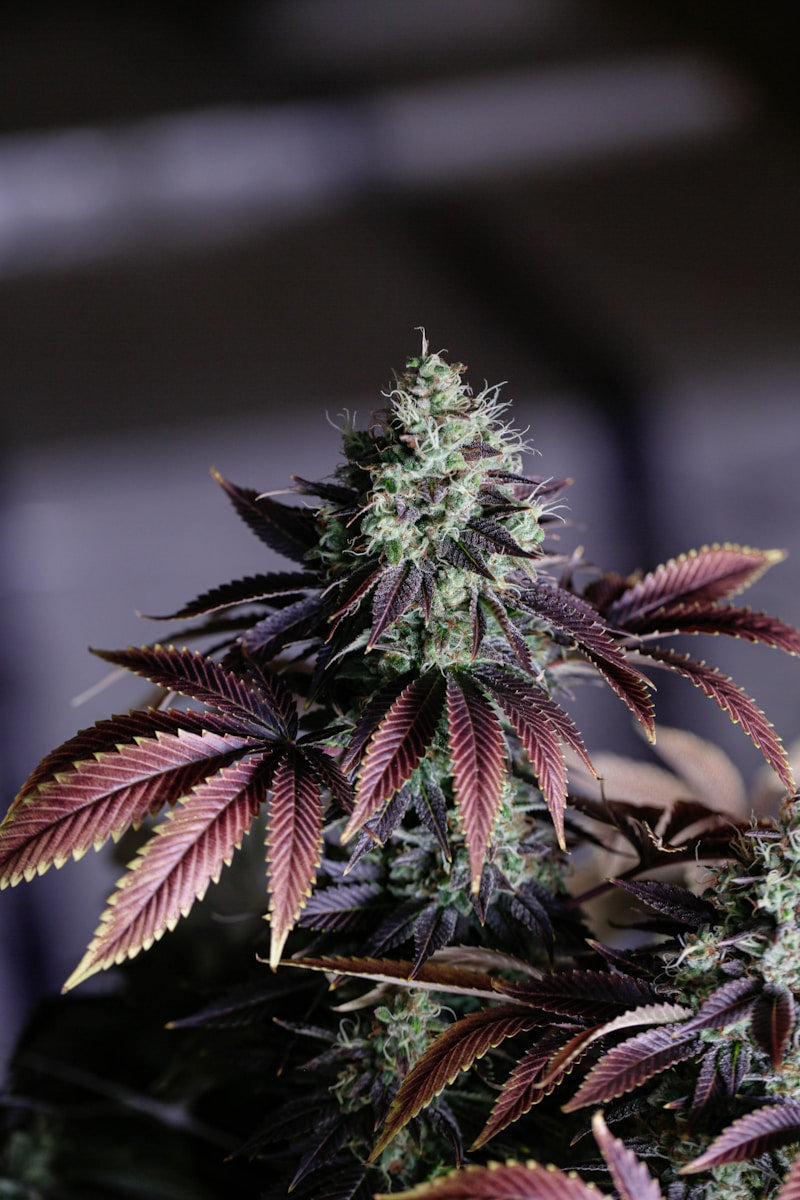
Cannabis culture is always evolving, and the latest trend that has piqued the interest of enthusiasts and health-conscious consumers alike is the THCA flower. But what exactly is THCA, and why is it becoming so popular? This post will explore everything you need to know about THCA flower, from its potential health benefits to legal considerations.
What is THCA?
Tetrahydrocannabinolic Acid (THCA) is a non-psychoactive cannabinoid found in raw and live cannabis. However, when heated, THCA turns into delta 9 THC and can get users high. When left in its raw form, THCA has its own unique properties and potential health benefits without the psychoactive effects though.
Potential Health Benefits
Research suggests THCA has several potential health benefits:
Anti-inflammatory Properties: THCA may help reduce inflammation, making it a potential aid for conditions such as arthritis and lupus.
Neuroprotective Effects: There's growing interest in THCA's ability to protect brain cells, which could be crucial for diseases like Parkinson's and Alzheimer's.
Anti-emetic Qualities: THCA shows promise in reducing nausea and vomiting, which can be beneficial for chemotherapy patients.
THCA vs. THC
While they are related, THCA and THC have different effects on the body. THCA is non-psychoactive, meaning it won't induce the ‘high’ associated with THC. Additionally, while THC is typically consumed through methods like smoking or edibles, THCA is often used in its raw form or added to food after cooking to avoid converting it to THC.
How to Use THCA Flower
To maintain the integrity and benefits of THCA, proper storage and preparation are key. Keeping THCA flower in a cool, dark place is ideal, and incorporating it into your diet via juicing or as a salad garnish are popular ways to consume it. You can decarb the Thca with heat if you would like the psychoactive effects.
Legal Considerations
The legal landscape for THCA is complex, but the farm bill of 2018 legalized hemp and all of its derivatives, isomers, salts, and acids so long as the delta-9 thc concentration tested below .3% THCA does not convert into delta 9 thc until it is decarboxilated.
Consumer Experiences
Many consumers report positive experiences with THCA flower, particularly regarding its ability to alleviate pain without cognitive impairment. Personal testimonials often cite improved quality of life and increased ability to manage symptoms of chronic conditions. If you’re looking for a buzz, all you need to do it apply heat like smoking, or place the raw THCA in an oven to convert it to its intoxicating sister.
Conclusion and Future Outlook
THCA flower's rising popularity is a testament to the evolving understanding and appreciation of cannabis's many compounds. With promising health benefits and a legal status that is, in some cases, more permissive than THC, THCA has carved out its own niche in the cannabis market. And as research continues to uncover the full scope of its properties, we may only be seeing the beginning of what THCA flower has to offer.
The future of THCA flower looks green and bright, with the potential for new discoveries and applications on the horizon. Whether you're a cannabis connoisseur, a medical patient, or simply curious about the health potentials of cannabis, THCA flower is a fascinating and burgeoning field worth keeping an eye on.

Share:
The ultimate guide to buying edibles online legally
THCA Isolate: A Beginner's Guide